Nigerian healthcare infrastructure is under real pressure from population growth and rising expectations of care quality — pressure that’s pushing hospitals and clinics toward a handful of consistent trends worth watching.
1. Growing Investment in Local Capacity
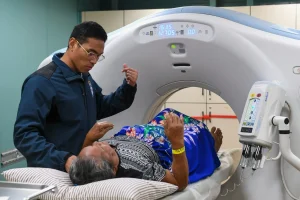
More healthcare institutions are investing in expanding local diagnostic and treatment capacity, reducing reliance on medical travel abroad for conditions that can be handled domestically with the right equipment and expertise.
2. Greater Emphasis on Equipment Maintenance Culture
As covered in our piece on preventive maintenance, more facilities are shifting from reactive repair toward scheduled maintenance contracts — recognising that equipment reliability is as important as equipment specification.
3. Renewable and Hybrid Power Solutions
Given the persistent challenge of grid reliability, more facilities are adopting solar-hybrid backup power systems alongside traditional generators, reducing both cost and downtime risk over time.
4. Rising Standards for Facility Infrastructure
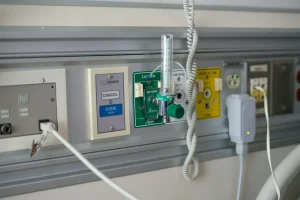
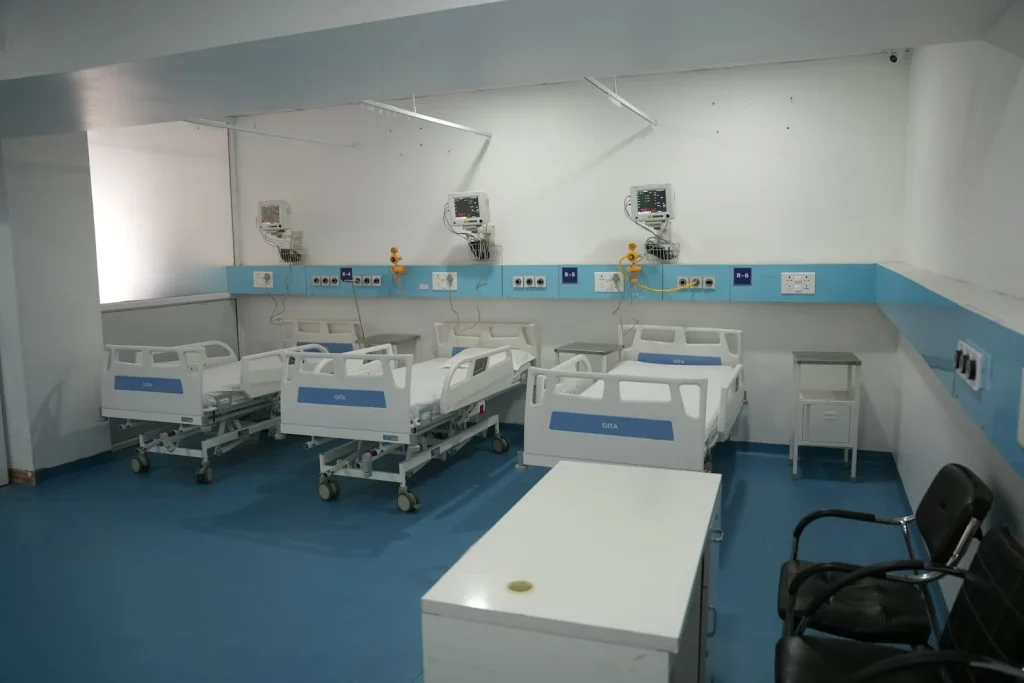
Newer builds and major renovations increasingly plan medical gas systems, HVAC and waste management as integrated infrastructure from the outset, rather than retrofitting them after construction.
5. Stronger Regulatory Compliance Expectations
Increasing attention to FMOH import compliance and facility accreditation standards is raising the baseline expectation for how equipment is sourced and documented.
6. Consolidation Around Trusted Supplier Relationships
Institutions are increasingly favouring long-term relationships with suppliers who can cover multiple equipment categories and provide consistent after-sales support, rather than managing many single-transaction vendors.
The facilities adapting best to these trends aren’t necessarily the best-funded — they’re the ones planning infrastructure, maintenance and supplier relationships as connected decisions rather than separate line items.
What This Means for Planning Ahead
Hospitals and clinics planning expansions or upgrades over the next few years should factor these trends into their planning — particularly around power resilience, maintenance culture, and supplier relationships that can support a facility’s growth over time.
Planning for the Future of Your Facility?
ROYGBIVE partners with healthcare institutions across Nigeria on equipment, infrastructure and maintenance planning built for long-term reliability.
Conclusion
Nigerian healthcare infrastructure is trending toward greater local capacity, stronger maintenance culture, and more resilient power and facility planning. Request a quote to discuss how these trends apply to your facility’s plans.