Equipping a hospital from scratch — or auditing an existing one — comes down to a fairly consistent list of core equipment categories that any general hospital in Nigeria needs to function safely, regardless of size. This isn’t an exhaustive procurement list, but a starting checklist for what “the basics” actually cover.
1. Diagnostic Imaging Equipment
X-ray, ultrasound and, for larger facilities, CT scanning form the backbone of diagnosis. Even a modest general hospital typically needs at minimum an X-ray unit and an ultrasound machine to avoid referring routine cases elsewhere.
2. Patient Monitoring Equipment
Vital signs monitors (heart rate, blood pressure, oxygen saturation) are needed across wards, not just ICU. Surgical/OR monitors are a separate, theatre-specific requirement.
3. Cardiac Diagnostic Equipment
An ECG/EKG machine is standard equipment for any facility handling adult patients, given how common cardiac-related presentations are.
4. Respiratory Support Equipment
Ventilators for critical care and theatre use, plus nebulizers for outpatient and ward-level respiratory therapy.
5. Emergency Resuscitation Equipment
A defibrillator (AED) belongs in every ward and emergency point, not just the ICU — cardiac arrest doesn’t wait for a patient to be moved to the right department.
6. Anesthesia and Surgical Equipment
Anesthesia machines and operating tables are the core of any functioning theatre, alongside sterilizing/autoclave equipment to keep instruments safe for reuse.
7. Laboratory Equipment
A laboratory microscope is the minimum diagnostic capability for a clinical lab; larger facilities add more specialized analysers depending on their test menu.
8. Renal Care Equipment
Facilities offering dialysis need dedicated dialysis chairs and machines — equipment that comes with its own space, plumbing and power requirements.
9. Blood Bank and Cold Chain Equipment
A blood bank refrigerator with reliable temperature monitoring is non-negotiable for any facility handling transfusions — a cold chain failure can render an entire blood stock unusable.
10. Facility and Waste Management Equipment
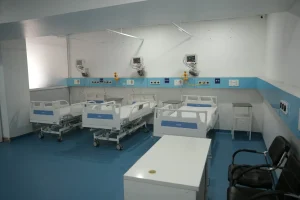
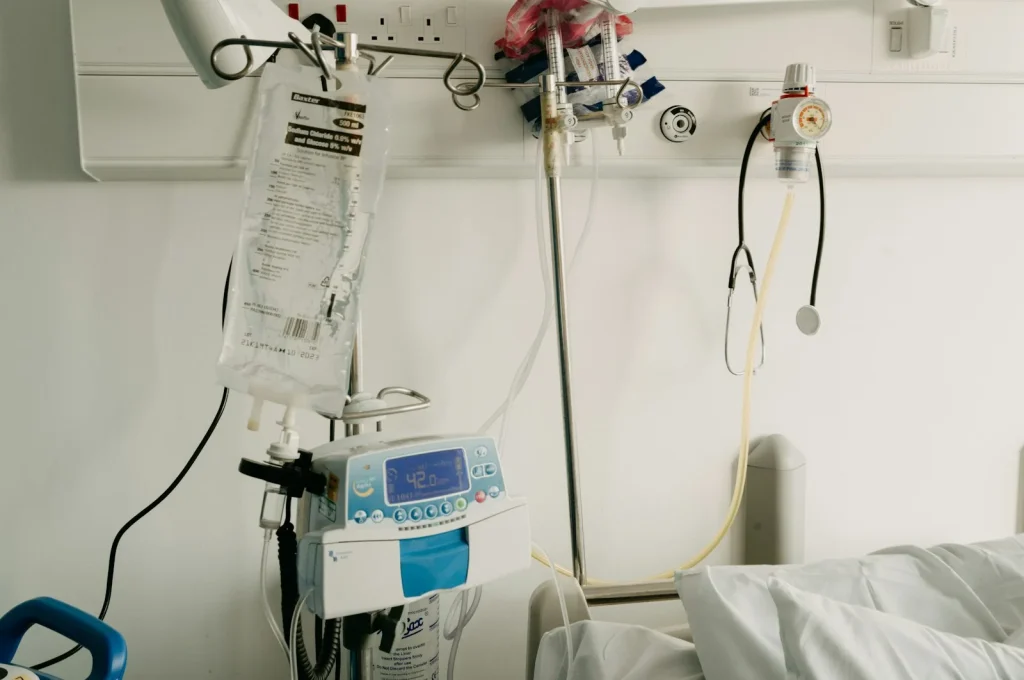
Medical waste bins built for biohazard handling, hospital furniture (beds, trolleys, IV stands) and general facility infrastructure round out what a functioning hospital needs beyond pure clinical equipment.
Beyond the List: Sourcing and Support Matter
Owning the equipment is only half the picture. Each of these categories needs to be sourced in compliance with Federal Ministry of Health import policy, installed and commissioned correctly, and backed by a servicing plan — otherwise a fully-equipped hospital can still end up with idle equipment room.
Equipping a New Facility or Filling Gaps in an Existing One?
ROYGBIVE supplies the full range of medical, laboratory and facility equipment covered above, sourced through FMOH-compliant international partners.
Conclusion
These ten categories cover the essential clinical and operational equipment a modern Nigerian hospital needs to function safely across diagnosis, treatment, surgery, laboratory work and facility management. Request a quote from ROYGBIVE to discuss equipping or expanding your facility.