Hospital furniture is easy to overlook until it fails at the wrong moment — a bed that won’t adjust during an emergency, a trolley that can’t be properly disinfected, a chair that doesn’t hold up under daily use. Choosing well upfront avoids far more than an inconvenience later.
What Sets “Hospital-Grade” Furniture Apart
Furniture built for clinical environments differs from general office or home furniture in a few consistent ways:
- Cleanable surfaces: materials that tolerate frequent disinfection with hospital-grade cleaning agents without degrading.
- Load-rated construction: beds, trolleys and chairs built to handle repeated heavy use and patient weight ranges safely.
- Functional adjustability: hospital beds need height, backrest and leg adjustments; examination furniture needs to support specific clinical positions.
- Infection-control-friendly design: fewer seams and crevices where contaminants can collect, and materials resistant to corrosion and staining.
Key Categories to Get Right
Patient Beds
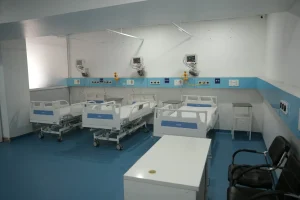
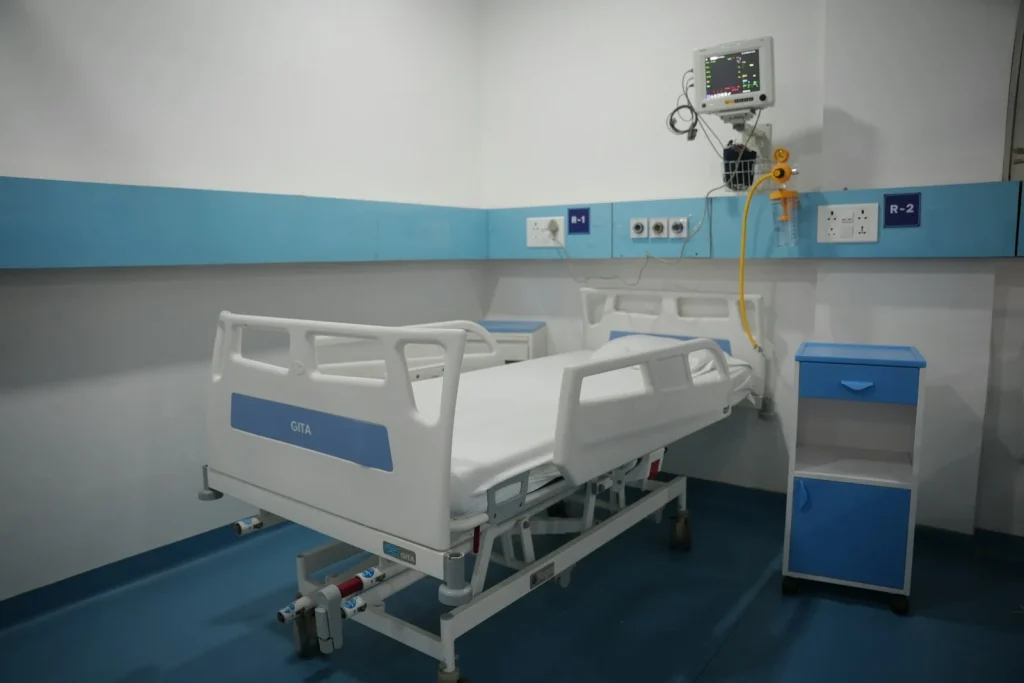
The single most-used piece of furniture in any ward. Manual, semi-electric and fully electric options trade off cost against ease of positioning — a consideration that matters more in high-turnover wards than in long-stay units.
Trolleys and Carts
Procedure trolleys, medication carts and transport trolleys all need to be easy to move, easy to clean, and configured for the specific workflow they support.
Seating
Waiting area seating sees constant use and needs to be durable and easy to wipe down; clinical seating (examination stools, recliner chairs for procedures) needs to support specific positioning requirements.
Storage Furniture
Cabinets and shelving for medical supplies need to support organisation and stock rotation — disorganised storage is a quiet source of expired-stock waste and slower response times.
Questions to Ask Before Ordering
- Does the furniture’s finish tolerate the disinfectants actually used in this facility, without degrading over repeated cleaning cycles?
- Is it rated for the patient weight range and usage intensity of this specific ward?
- Does the supplier offer consistent stock for replacement parts, or will a broken caster mean replacing the whole unit?
- Does the furniture fit the physical space — door widths, ward layout, storage room dimensions — that it needs to move through and live in?
Furniture that looks identical on a catalogue page can perform very differently after a year of daily disinfection cycles — material quality shows up in durability, not in the initial unboxing.
Balancing Cost and Longevity
The lowest upfront price isn’t always the lowest total cost. Furniture that needs replacing within two years due to poor materials or construction often costs more over time than a slightly higher-priced option built for sustained clinical use.
Furnishing a Ward, Clinic or Waiting Area?
ROYGBIVE supplies hospital-grade furniture built for clinical durability, sourced through the same vetted international partners as our equipment lines.
Conclusion
Quality hospital furniture is a durability and infection-control decision as much as a comfort one. Request a quote for furnishing your ward, clinic or waiting area with equipment built for clinical use.