Buying the right equipment is only step one of a hospital equipment project. Installation is where design decisions meet the physical reality of a building — and where a good specification can still turn into a poor outcome if the steps aren’t followed carefully.
1. Site Assessment and Readiness
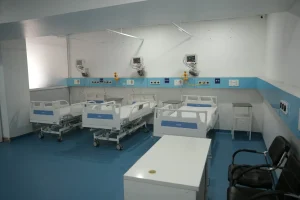
Before equipment arrives, the installation site needs to be assessed against the manufacturer’s requirements — power supply, space dimensions, structural load capacity, and access routes for moving equipment in. Skipping this step is how a perfectly good machine ends up unable to fit through a doorway or lacking the power capacity it needs.
2. Infrastructure Coordination
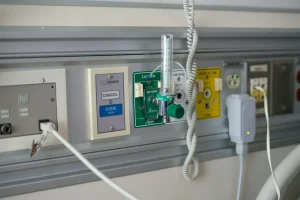
Larger equipment often needs coordinated infrastructure work — dedicated electrical circuits, medical gas connections, plumbing, or reinforced flooring — completed before installation day, not discovered as a surprise during it.
3. Professional Installation and Assembly
Equipment installation should follow manufacturer specifications exactly, using technicians familiar with the specific equipment type. Improvised installation can void warranties and create safety risks that aren’t obvious until the equipment is in use.
4. Calibration and Testing
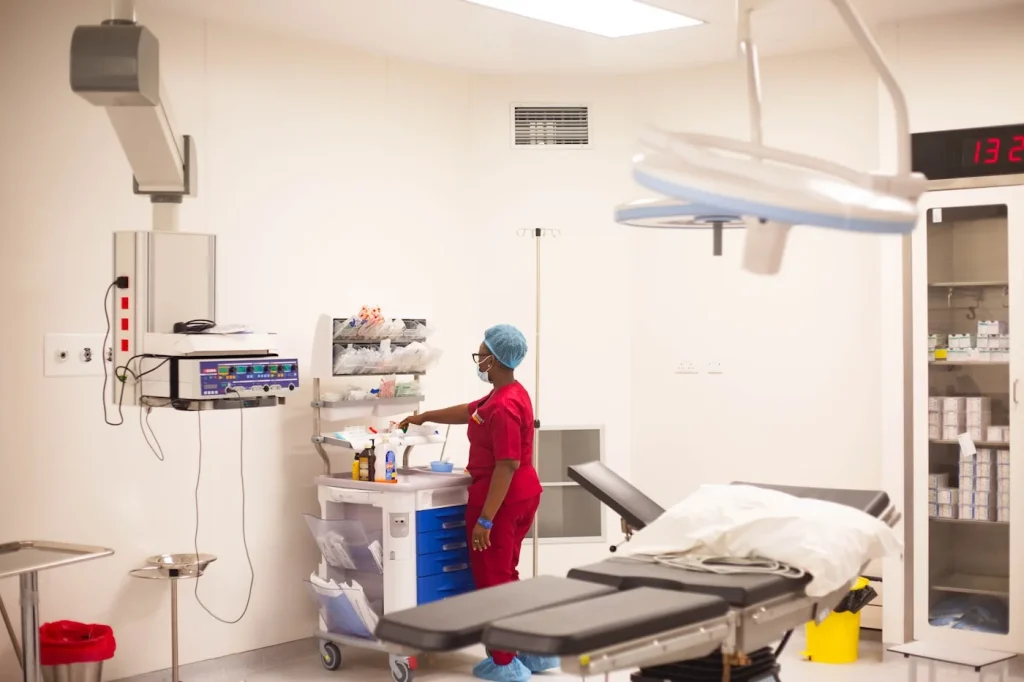
Before equipment goes into clinical use, it needs to be calibrated and tested against manufacturer specifications — confirming that what was installed actually performs to the standard it was purchased for.
5. Staff Training
New equipment is only as valuable as the staff’s ability to use it correctly and safely. Training sessions covering operation, basic troubleshooting and safety protocols should happen before equipment is handed over for routine clinical use.
6. Documentation and Handover
A complete installation includes documentation — user manuals, maintenance schedules, warranty terms — handed over clearly to the facility’s biomedical and clinical teams, not left scattered across email threads.
7. Post-Installation Support
The relationship shouldn’t end at handover. Ongoing support — troubleshooting access, scheduled maintenance, and a clear escalation path for issues — is what keeps equipment performing reliably for years after installation day.
Most equipment installation problems trace back to a step that was rushed, not a step that was skipped entirely — site assessment and calibration are the two most commonly compressed under deadline pressure.
Planning an Equipment Installation Project?
ROYGBIVE handles specialized installations end-to-end, from site assessment through calibration, training and post-installation support.
Conclusion
A successful hospital equipment installation depends on the steps around the equipment itself — site readiness, infrastructure coordination, calibration, training and support — as much as the equipment specification. Request a quote for your next installation project.