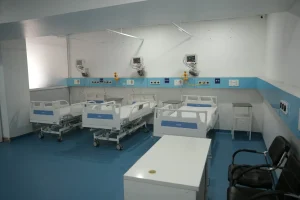
Hospital furniture rarely gets the attention it deserves in facility planning conversations — until a ward is short on beds, a mattress fails infection-control standards, or a procurement decision has to be redone because the wrong specification was ordered. For healthcare facilities in Nigeria, choosing the right furniture supplier is as much a clinical and safety decision as a commercial one.
What Counts as Hospital Furniture
The category covers more ground than most people expect:
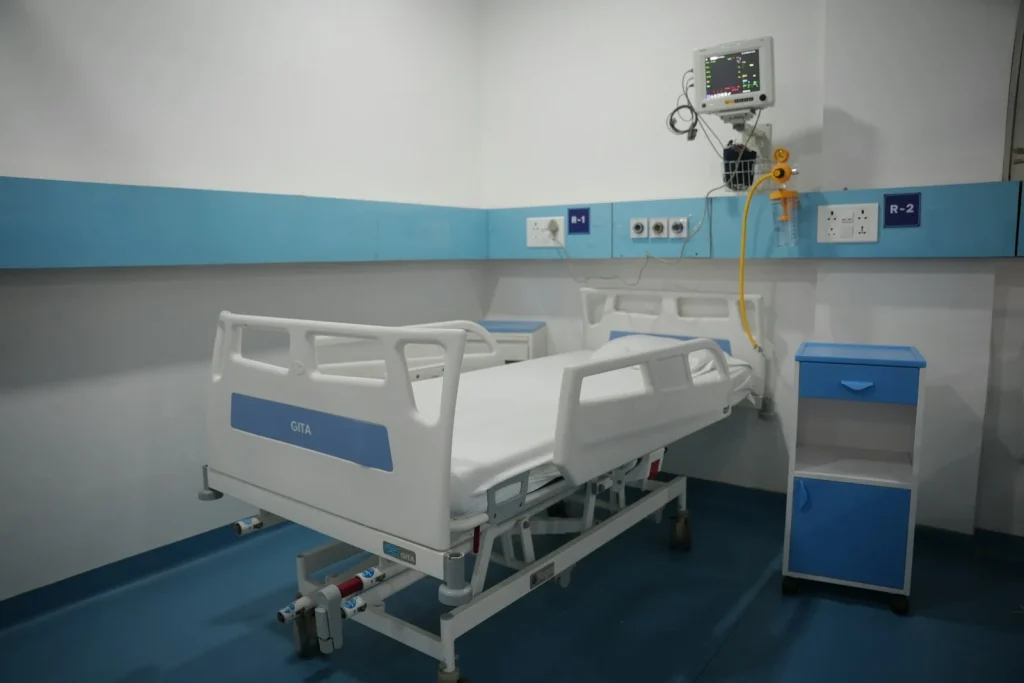
- Adjustable patient beds and mattresses
- Bedside cabinets, overbed tables and lockers
- IV drip stands and mobility aids
- Examination couches and gynecological/OB-GYN chairs
- Ward privacy screens and curtains
- Wheelchairs, commode chairs and patient transport trolleys
- Nurses’ station and administrative furniture
What to Look For in a Supplier
1. Build Quality and Material Standards
Hospital environments demand furniture that withstands frequent cleaning with disinfectants, resists corrosion, and holds up under continuous daily use. Powder-coated steel frames, medical-grade upholstery that resists fluid absorption, and welded (not just bolted) joints are common markers of furniture built for clinical use rather than general institutional use.
2. Compliance and Safety Features
Beds should have functioning brakes, side rails and height adjustment mechanisms rated for patient safety. Furniture with sharp edges or unstable frames is a genuine risk in a ward setting, particularly for elderly or mobility-limited patients.
3. Import Compliance
Furniture and equipment brought into Nigeria for healthcare use should be sourced in line with the Federal Ministry of Health’s policy on the importation of medical equipment — this matters for consumables and clinical furniture alike, not just diagnostic machines.
4. After-Sales and Replacement Parts
Casters, mattress covers, gas struts and upholstery wear out well before a bed frame does. A supplier who can only sell the initial unit — with no path to replacement parts or repairs — creates a maintenance headache a few years down the line.
5. Delivery and Installation Capability
Large orders (a new ward, a facility expansion) need a supplier capable of coordinated delivery and on-site setup, not just drop-shipping boxes to a loading dock.
Common Mistakes When Procuring Hospital Furniture
- Buying on price alone and discovering the frame or upholstery fails within a year of daily use.
- Ordering furniture that doesn’t match the ward’s actual space constraints or door widths.
- Overlooking infection-control requirements — porous or seam-heavy upholstery is harder to keep clean.
- Not planning for spares (mattresses, casters, side-rail parts) at the point of initial purchase.
Furnishing a Ward or Facility Expansion?
ROYGBIVE supplies hospital furniture as part of our facility services — from patient beds and cabinets to full ward fit-outs, backed by after-sales support.
Conclusion
Hospital furniture sits at the intersection of patient safety, infection control and day-to-day ward operations. A reliable supplier relationship — one that covers build quality, compliant sourcing, and access to spares and support after the sale — protects a facility from repeat procurement headaches down the line.
ROYGBIVE supplies hospital furniture and healthcare facility infrastructure for institutions across Nigeria. Browse our equipment catalogue or request a quote for your facility’s furniture needs.