A medical gas pipeline system is the invisible infrastructure that connects a hospital’s oxygen plant, medical air and vacuum systems to the wall outlets used at every bed and in every theatre. Get the design or maintenance of this system wrong, and even a well-specified oxygen plant can’t reliably reach the patient who needs it.
What a Medical Gas Pipeline System Includes
- Source equipment: oxygen plants or cylinder manifolds, medical air compressors, and vacuum pumps for suction.
- Distribution pipework: a network of pipes carrying gases from the source to each area of the hospital, sized and routed according to demand at each point.
- Zone valves: shut-off points that let a section of the pipeline be isolated for maintenance without cutting supply to the whole facility.
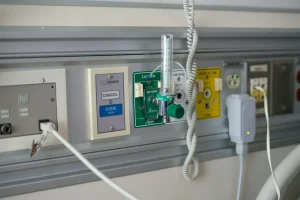
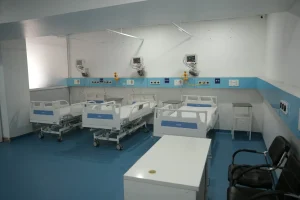
- Outlets and terminal units: the wall or pendant fittings at each bed, theatre table or examination point where gas is actually drawn.
- Alarm systems: monitoring pressure at area and central points, alerting staff to supply drops or source failures before they become critical.
Why Installation Quality Matters So Much
Medical gas pipeline work is typically designed with reference to internationally recognised frameworks such as ISO 7396-1 and the UK’s HTM 02-01 guidance, which cover pipe sizing, materials, testing and alarm placement. These aren’t arbitrary standards — a pipeline that’s undersized for peak demand, poorly labelled, or missing zone valves in the right places creates real risk: a leak or blockage in one ward shouldn’t be able to take down supply to a whole floor.
Commissioning: The Step Hospitals Can’t Skip
Before a pipeline goes live, it needs to be pressure-tested, purged, and verified for gas purity and correct labelling at every outlet — confirming that the oxygen outlet is actually delivering oxygen, not accidentally cross-connected to medical air. This commissioning step is what turns a completed installation into a system that’s safe to use clinically.
Ongoing Maintenance Requirements
- Periodic testing of alarm systems to confirm they trigger correctly at low-pressure thresholds.
- Inspection of zone valves and outlets for wear, leaks or damage.
- Recalibration of pressure gauges and monitoring equipment.
- Documented maintenance records — useful both for safety assurance and for planning eventual component replacement.
A pipeline that passed commissioning five years ago isn’t automatically safe today — valves, alarms and connections need periodic verification, not a one-time check.
Planning or Maintaining a Medical Gas Pipeline System?
ROYGBIVE handles specialized installation of medical gas systems, alongside biomedical maintenance contracts for ongoing servicing.
Conclusion
A medical gas pipeline system is only as reliable as its weakest zone valve, alarm or connection. Hospitals should treat pipeline installation and maintenance as a specialized, standards-driven discipline — not an afterthought to buying an oxygen plant. Explore our biomedical maintenance contracts or request a quote for pipeline installation.