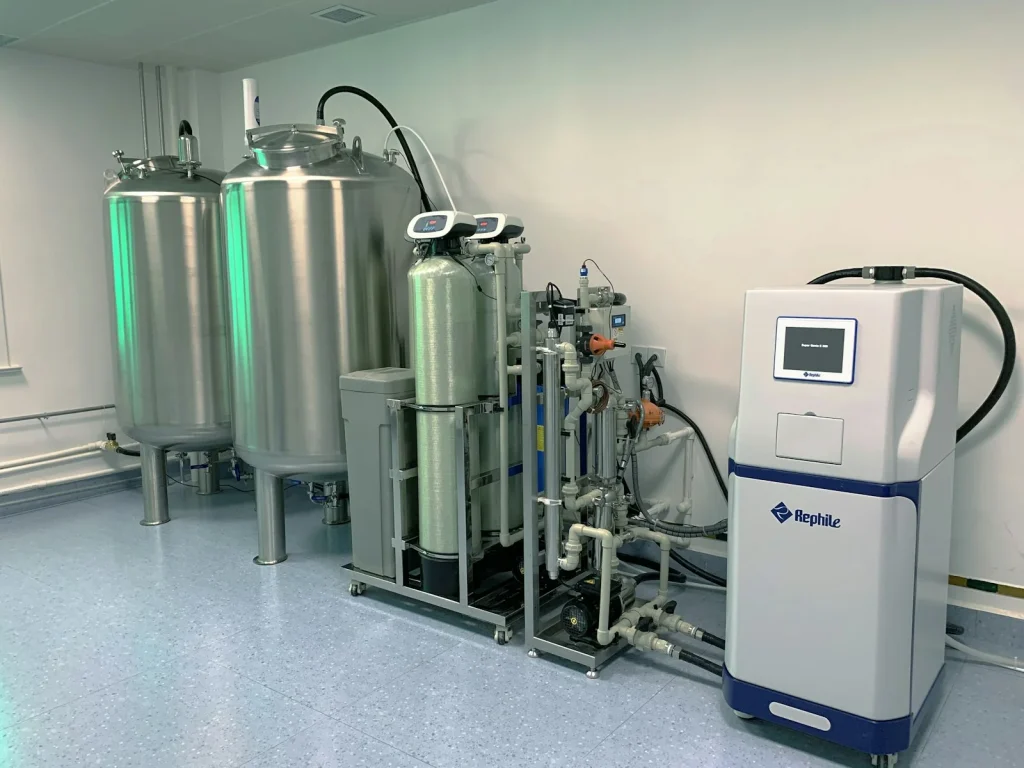
A hospital’s oxygen supply is one of the few systems where a failure is measured in minutes, not hours. As more Nigerian hospitals move away from relying solely on oxygen cylinders and towards on-site oxygen generation, understanding how these systems work — and what a proper installation actually involves — has become essential knowledge for hospital administrators and facility managers, particularly in a high-demand market like Lagos.
Why Hospitals Are Moving Towards On-Site Oxygen Plants
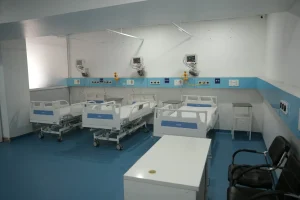
Cylinder-based oxygen supply is straightforward but comes with real operational costs: repeated logistics runs, storage space, manual handling risk, and exposure to supply interruptions whenever transport or distributor availability is disrupted. An on-site medical oxygen plant produces oxygen continuously from ambient air, piped directly to wards, theatres and ICU beds through a fixed medical gas pipeline system. For high-throughput hospitals, this generally means more predictable supply and lower long-term running costs.
How Medical Oxygen Plants Work
Most hospital-scale oxygen plants use Pressure Swing Adsorption (PSA) technology. Ambient air is compressed and passed through vessels containing a zeolite material that selectively adsorbs nitrogen, leaving a concentrated oxygen stream behind. The two vessels alternate between adsorption and release cycles, allowing continuous output. The oxygen is then filtered, buffered in a storage tank, and regulated before entering the hospital’s pipeline network. Larger facilities occasionally use cryogenic or membrane-based systems, but PSA remains the most common choice for small and mid-sized hospitals because of its lower footprint and simpler maintenance profile.
Key Considerations Before Installation
- Site assessment: plant room location, ventilation, ambient air quality and available floor space all affect plant sizing and layout.
- Power reliability: PSA plants run continuously, so backup power (generator or UPS-based) is not optional — it is part of the core design, especially given the realities of grid power supply in much of Nigeria.
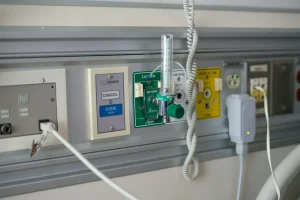
- Pipeline design: medical gas pipeline systems are typically designed with reference to internationally recognised frameworks such as ISO 7396-1 and the UK’s HTM 02-01 guidance, covering pipe sizing, alarm systems, zone valves and outlet placement.
- Backup supply: even a well-designed plant installation should include a cylinder manifold or backup bank so that a plant shutdown for maintenance never leaves a ward without oxygen.
- Import and regulatory compliance: equipment sourced for Nigerian hospitals should be imported in line with Federal Ministry of Health policy on medical equipment importation.
Common Mistakes Hospitals Should Avoid
- Undersizing the plant for future bed capacity, forcing a costly upgrade within a few years.
- Treating installation as a one-off project rather than budgeting for ongoing servicing and filter replacement.
- Skipping a proper site survey, which often surfaces power, space or ventilation constraints late in the project.
- Failing to train ward and biomedical staff on alarm response and basic troubleshooting.
An oxygen plant is only as reliable as the pipeline, alarm system and maintenance plan built around it — the generator in the corner is not the whole system.
Maintenance: The Part Hospitals Often Underestimate
PSA plants have moving parts — compressors, valves, filters — that need scheduled servicing to keep oxygen purity and flow within specification. A biomedical maintenance contract that includes routine inspection, filter changes and calibration of oxygen analysers is what keeps a plant reliable for its full working life, rather than becoming a recurring source of downtime.
Need Medical Gas or Oxygen Plant Installation Support?
ROYGBIVE handles specialized installation of medical gas and oxygen systems for hospitals across Nigeria — from equipment sourcing through commissioning and after-sales biomedical support.
Conclusion
Medical oxygen plant installation is as much about the surrounding infrastructure — power, piping, backup supply, staff training and a servicing plan — as it is about the plant itself. Hospitals evaluating an installation in Lagos or elsewhere in Nigeria should treat it as a full lifecycle project: sourcing, installation, commissioning, training and ongoing maintenance, not a single purchase.
ROYGBIVE International Company supplies, installs and maintains medical gas and oxygen systems, sourced through Federal Ministry of Health–compliant international partners. Request a quote to discuss your facility’s requirements, or explore our biomedical maintenance contracts for ongoing support.