A complete hospital infrastructure project — whether a new build or a major upgrade — involves far more moving parts than a single equipment order. Planning it as a connected sequence, rather than a set of separate purchases, is what keeps it on schedule and on budget.
Stage 1: Needs Assessment and Planning
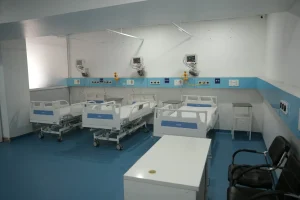
Before sourcing anything, the project needs a clear picture of clinical requirements, patient volume projections, and how the facility’s layout supports (or constrains) equipment and infrastructure choices.
Stage 2: Infrastructure Readiness
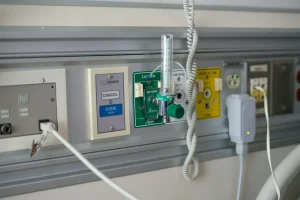
Power capacity, medical gas systems, HVAC and structural considerations need to be assessed and, where necessary, upgraded before equipment procurement begins — sequencing this after equipment arrives creates costly delays and rework.
Stage 3: Equipment Sourcing
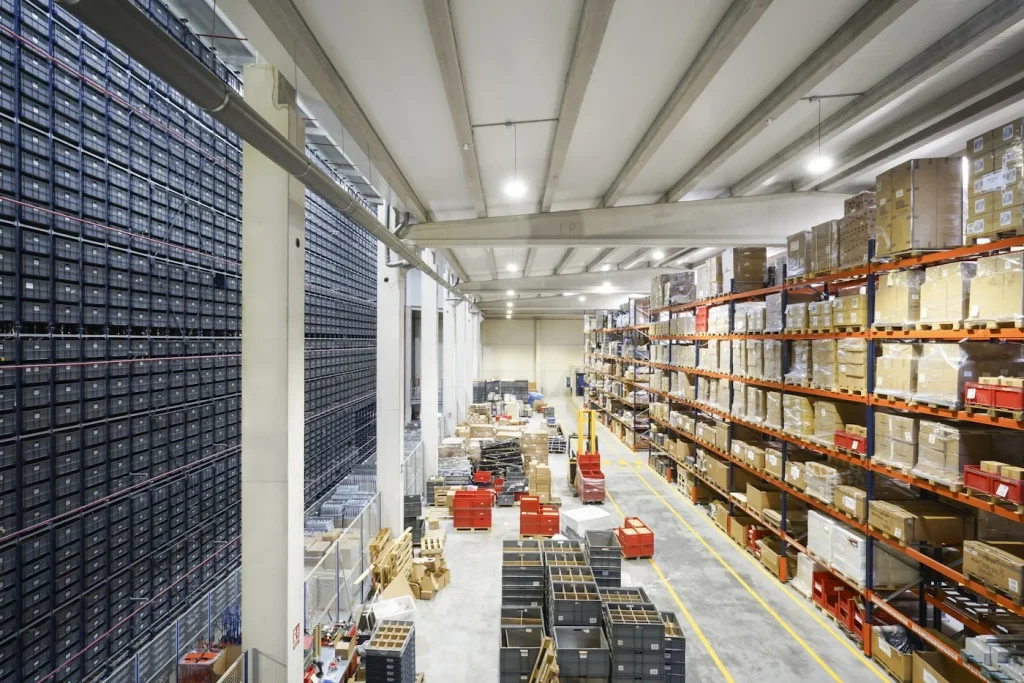
Sourcing equipment through import-compliant channels — respecting Federal Ministry of Health requirements — while matching specifications to the facility’s actual clinical needs, not just budget or brand familiarity.
Stage 4: Coordinated Installation
Installation should be sequenced logically: infrastructure work first, then equipment installation, then calibration and testing — minimising the amount of rework needed if issues surface partway through.
Stage 5: Staff Training and Commissioning
Before a facility or department goes live, staff need to be trained on the new equipment and systems, and the full setup should be commissioned — tested end-to-end under realistic conditions, not just component by component.
Stage 6: Ongoing Support
A project doesn’t end at go-live. Maintenance contracts, spare parts availability and a clear support relationship should be in place from day one of clinical operation.
Why Sequencing Matters
Projects that treat supply, infrastructure and installation as separate, uncoordinated purchases tend to discover incompatibilities late — equipment that arrives before the power circuit is ready, or a layout finalised before medical gas routing was considered. Planning the full sequence upfront avoids most of this friction.
The projects that stay on schedule are rarely the ones with the fewest problems — they’re the ones where infrastructure and equipment were planned together from the start.
Planning a Complete Hospital Infrastructure Project?
ROYGBIVE supports healthcare projects end-to-end — supply, specialized installation and ongoing facility services under one coordinated partner.
Conclusion
A complete hospital infrastructure project succeeds when supply, installation and support are planned as one coordinated sequence, not separate transactions. Request a quote to start planning your next project.