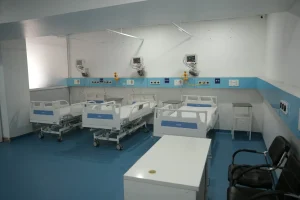
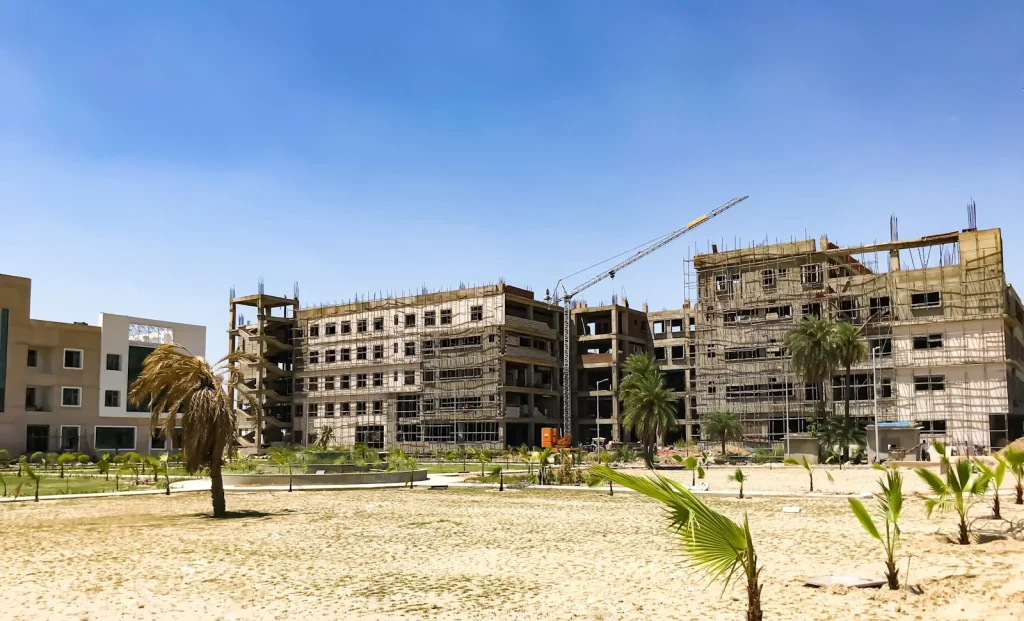
“Healthcare infrastructure” covers a lot more than the equipment inside a hospital — it’s the physical systems that make a building functional as a clinical facility in the first place. A hospital with excellent equipment but poor infrastructure still fails its patients.
1. Reliable Power Supply
Grid power alone isn’t sufficient for a hospital. Backup generators and increasingly solar-hybrid systems are essential infrastructure — an ICU, theatre or blood bank refrigerator can’t tolerate an unplanned outage, however brief.
2. Water Supply and Treatment
Consistent clean water access underpins sanitation, sterilization and general clinical operations. Facilities in areas with unreliable municipal supply need on-site storage and, in many cases, treatment systems to guarantee quality.
3. Medical Gas Systems
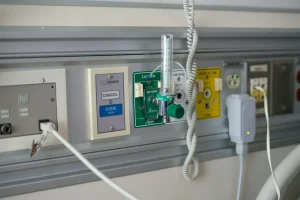
Oxygen plants and pipeline distribution networks (covered in more depth in our guide to medical gas pipeline systems) are core infrastructure, not optional equipment — respiratory support depends entirely on this system working correctly.
4. HVAC and Air Quality Control
Operating theatres, isolation rooms and laboratories all depend on controlled air quality — filtration, pressure differentials and temperature control that general building HVAC systems aren’t designed to provide.
5. Waste Management Infrastructure
Segregated waste handling, storage and, where applicable, on-site treatment (see our piece on medical waste incinerators) prevent biohazard material from becoming a facility-wide risk.
6. IT and Communication Infrastructure
Increasingly, hospital systems depend on reliable networking — for records, diagnostic equipment connectivity, and internal communication between departments during emergencies.
7. Fire Safety and Structural Systems
Fire detection, suppression and safe evacuation routes are infrastructure requirements that don’t announce themselves until they’re needed — by which point retrofitting is far harder than building them in from the start.
Why Infrastructure Planning Can’t Be an Afterthought
Equipment procurement tends to get the most attention because it’s the most visible line item. But equipment sitting in a facility with unreliable power, poor air handling or inadequate waste systems can’t function safely — infrastructure is what makes the equipment usable in the first place.
Planning Infrastructure for a New or Expanding Facility?
ROYGBIVE supports healthcare facility infrastructure projects alongside equipment supply, from medical gas systems to facility services.
Conclusion
Robust healthcare infrastructure — power, water, medical gases, air quality, waste management, IT and fire safety — is what allows equipment and clinical staff to actually function safely. Request a quote to discuss infrastructure needs for your facility.