
Facility maintenance in a hospital is easy to under-resource because most of it is invisible when it’s working correctly — nobody notices well-functioning plumbing or HVAC. The problems only surface once neglect has already compounded.
1. Power Systems and Backup Generators
Regular testing of backup generators — not just having them installed — is what determines whether they actually start when the grid fails. A generator that hasn’t been tested in months is a liability disguised as a safety net.
2. HVAC and Air Handling
Filters, ducts and air handling units need scheduled servicing to maintain the air quality and pressure differentials that theatres, isolation rooms and general wards depend on.
3. Plumbing and Water Systems
Leaks, pressure issues and water quality all need monitoring — a plumbing failure in a hospital isn’t just an inconvenience, it can shut down sterilization, handwashing stations or entire wards.
4. Medical Gas Pipeline Integrity
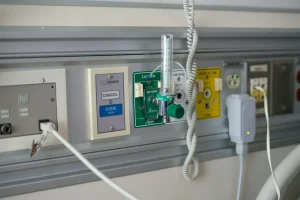
As covered in our piece on medical gas pipeline systems, this infrastructure needs its own dedicated maintenance schedule — it’s not something general facility maintenance can cover incidentally.
5. Fire Safety Systems
Detection, alarms, suppression systems and clear evacuation routes all require regular inspection and testing — a fire safety system is only as good as its last verified test, not its installation date.
6. Building Structure and Envelope
Roof integrity, wall and window seals, and general structural upkeep prevent water ingress and pest access that can compromise both infection control and equipment safety.
7. Waste and Sanitation Infrastructure
Waste storage areas, drainage and sanitation infrastructure need regular upkeep — neglect here creates both a health hazard and, often, the first visible sign of a wider maintenance backlog.
Deferred facility maintenance doesn’t disappear — it accumulates quietly until multiple systems fail close together, usually at the least convenient time.
Making Maintenance a Scheduled Discipline
The common thread across all seven areas is that scheduled, documented maintenance consistently outperforms reactive response — catching a filter that needs replacing is far cheaper than an HVAC failure mid-procedure.
Is Your Facility Maintenance Schedule Up to Date?
ROYGBIVE’s facility management services cover the full range of hospital infrastructure maintenance, from power to medical gas systems.
Conclusion
These seven areas — power, HVAC, plumbing, medical gases, fire safety, structure and waste infrastructure — are where deferred maintenance does the most damage. Request a quote for facility maintenance support.